
Mit dem Laden des Videos akzeptieren Sie die Datenschutzerklärung von YouTube.
Mehr erfahren


Zambia is a landlocked country in southern Africa, where many households continue to use solid fuels such as firewood and charcoal for cooking. The World Health Organization (WHO) points out that burning solid fuels in open fires or inefficient cooking stoves can lead to household air pollution. This exposure is associated with health risks such as respiratory diseases, cardiovascular diseases, stroke and lung cancer.
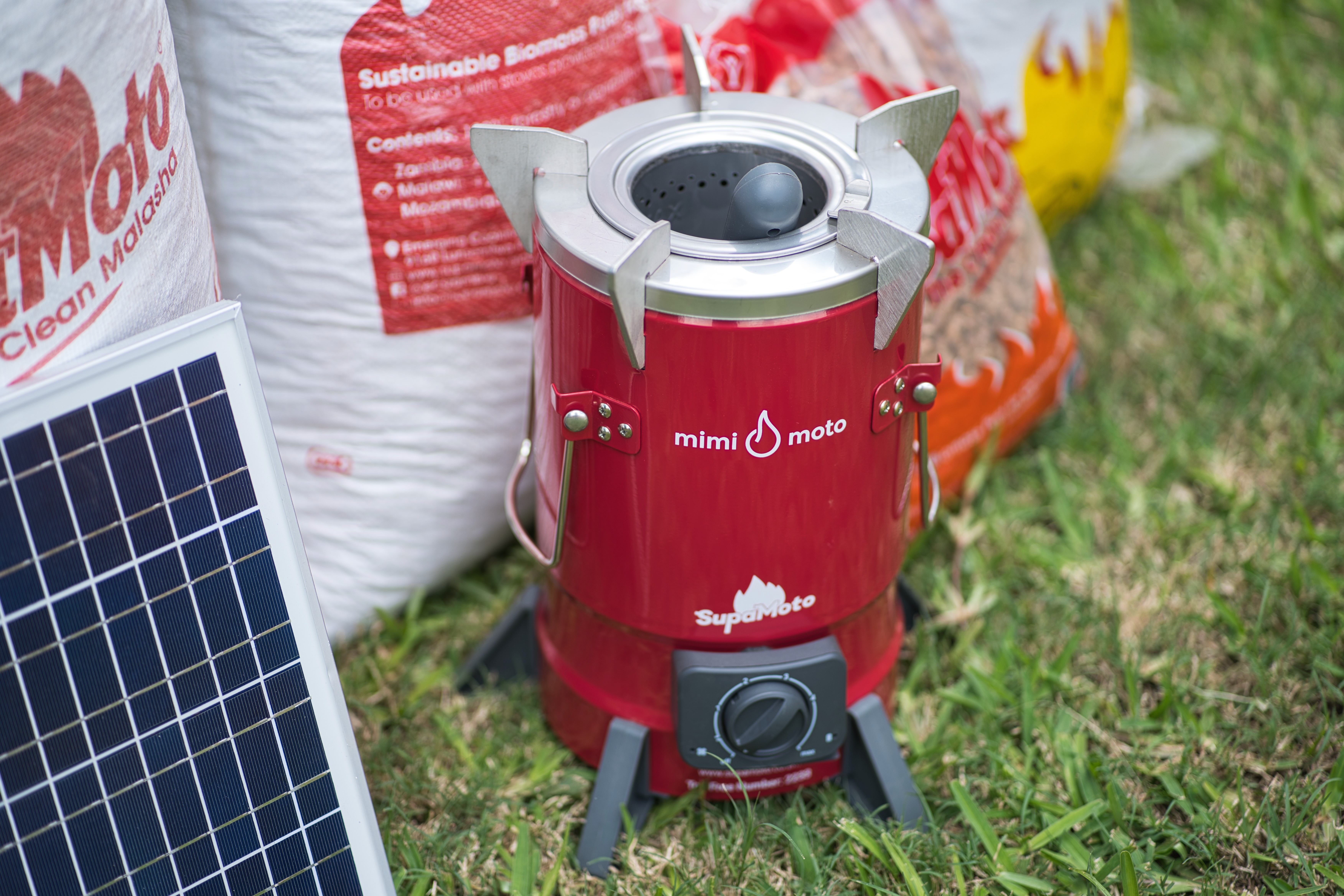
At the same time, access to alternative cooking technologies and electricity is not available nationwide in Zambia. Emerging Cooking Solutions Ltd (ECS) therefore develops and distributes biomass-powered micro-gasification stoves and the corresponding biomass pellets as an alternative cooking technology.
The cooking stoves offered by ECS are connected via an Internet of Things (IoT) platform. According to ECS, the platform enables the digital management of the devices and has already recorded millions of cooking and charging events.
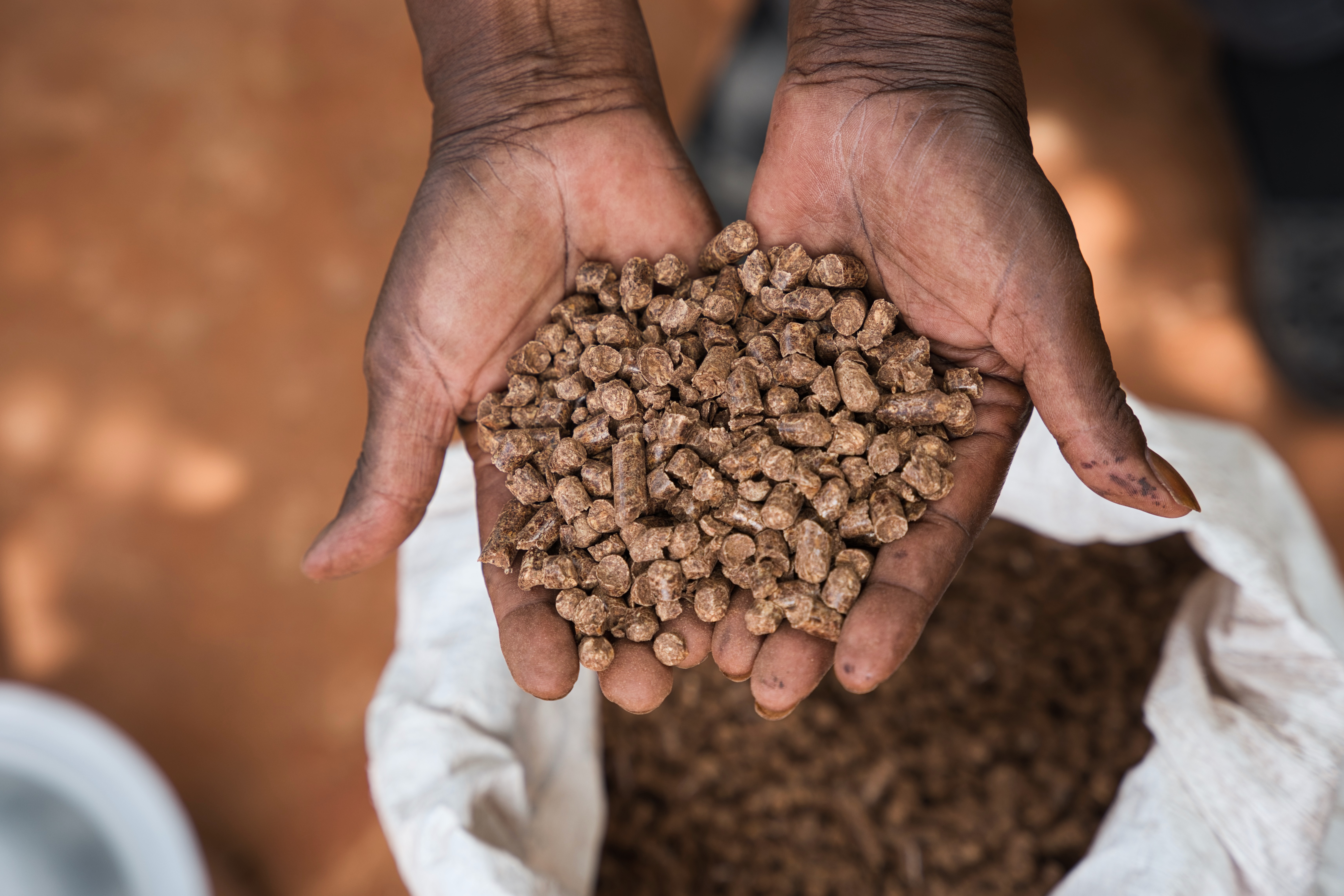
The biomass pellets are produced at ECS‘s production facility in Ndola, Zambia, from biomass residues. These materials are used as feedstock for pellet production.
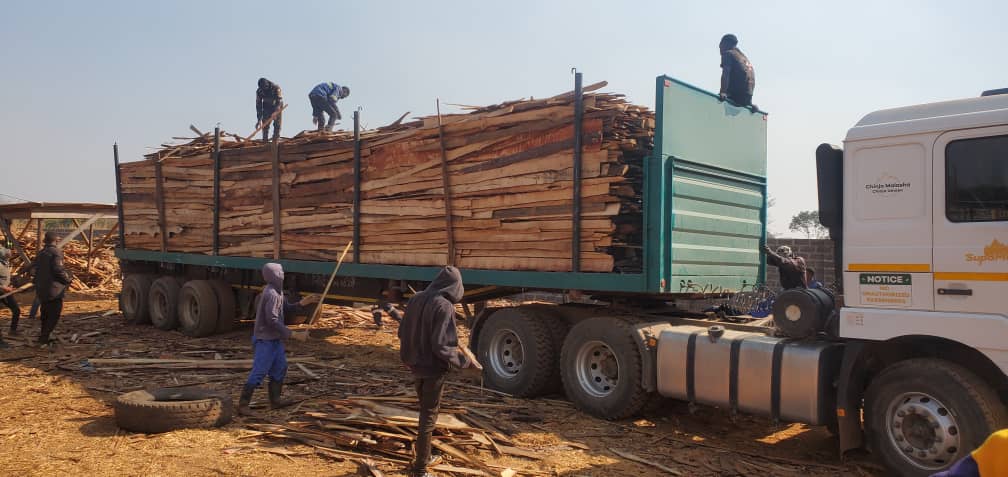
With the loan, ECS intends to further develop its pellet supply chain. The financing includes, among other things, a trailer for transporting wood residues from small sawmills to the pellet factory in Ndola. This is intended to support the procurement of the materials required for pellet production. In addition, ongoing business expenses, including personnel costs, will be financed.
The business model of Emerging Cooking Solutions Ltd (ECS) is related to several United Nations Sustainable Development Goals (SDGs). The following classification describes thematic areas to which the activities of ECS are related.
ECS develops and distributes biomass-powered micro-gasification stoves and the corresponding biomass pellets as an alternative cooking technology. The provision of alternative cooking options is related to the objective of expanding access to modern energy solutions for households (SDG 7 – Affordable and Clean Energy).
By providing alternative cooking solutions that can reduce daily fuel costs by up to 50%, ECS can support low-income households in reducing their living expenses and strengthening their financial resilience (SDG 1 – No Poverty). As the majority of ECS customers are from lower-income population groups, this may contribute to measurable cost reductions, poverty reduction and greater economic stability. (SDG 8 – Decent Work and Economic Growth)
The World Health Organization (WHO) points out that the use of solid fuels in inefficient cooking stoves can lead to household air pollution and is associated with health risks. The provision of alternative cooking technologies is therefore related to the reduction of health burdens associated with air pollution (SDG 3 – Good Health and Well-being).
The cooking stoves offered by ECS are managed via an Internet of Things (IoT) platform. According to the company, this enables the digital management of the devices and records cooking and charging events. The use of digital technologies to manage and provide the products is related to innovation and technological development (SDG 9 – Industry, Innovation and Infrastructure).
The biomass pellets produced by ECS at its production facility in Ndola, Zambia, are made from residues of wood processing. By using these materials as feedstock for pellet production, existing biomass residues are used as production material. This is related to the more efficient use of resources and the avoidance of material losses (SDG 12 – Responsible Consumption and Production).
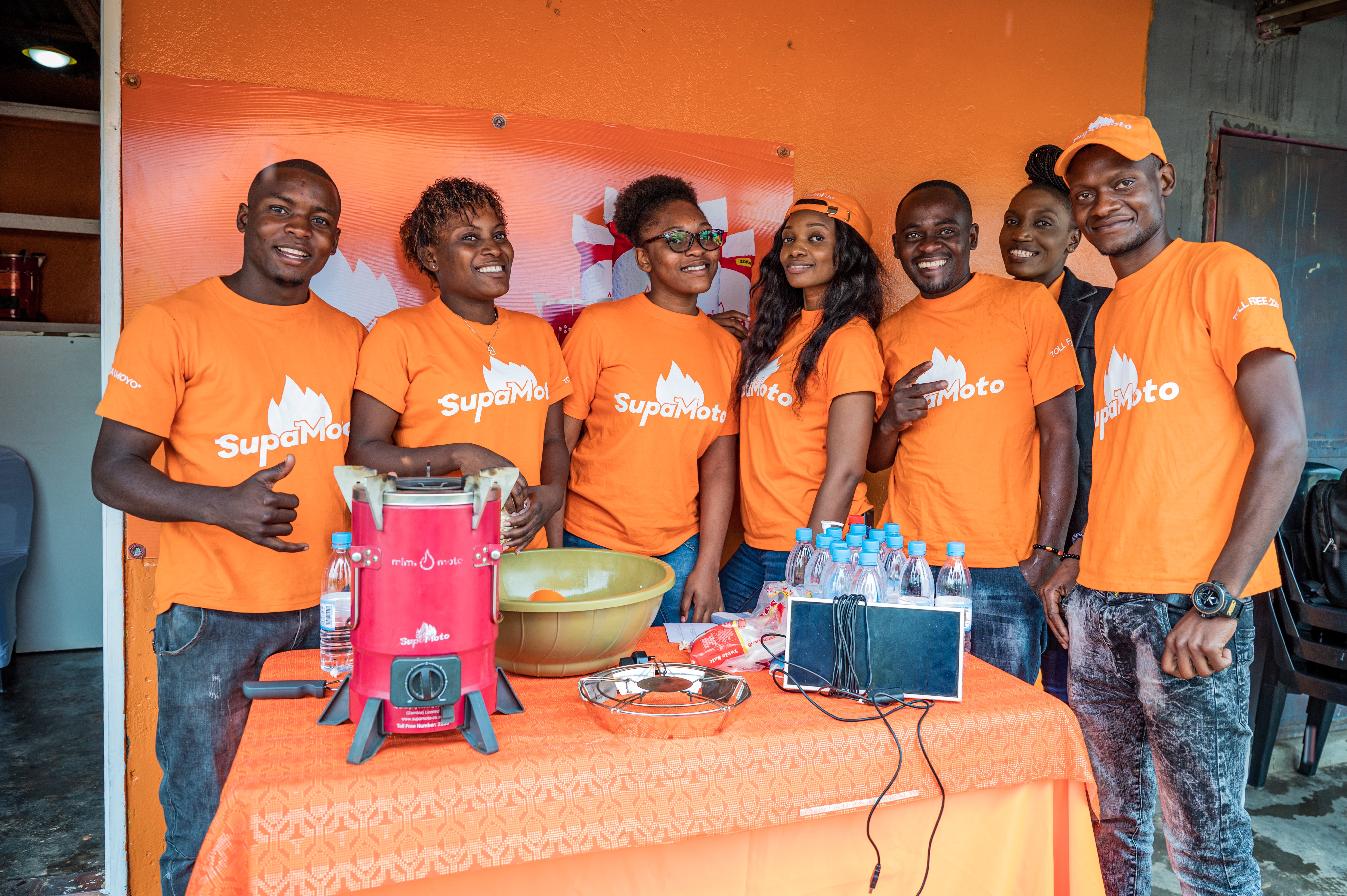
In addition, ECS pursues social objectives within the company, according to its own statements. The company states that it aims to increase the proportion of women within the company, ensure equal pay regardless of gender and involve women in positions that have traditionally been more frequently held by men. This is related to the promotion of gender equality and women’s participation (SDG 5 – Gender Equality).
With its biomass-powered cooking stoves and corresponding pellets, ECS provides an alternative cooking technology for households that previously used, among other fuels, charcoal or firewood for cooking. The use of alternative cooking technologies may contribute to improving living conditions in growing communities and is therefore related to the thematic area of environmental quality in cities and urban areas (SDG 11.6 – Reducing the Environmental Impact of Cities).
The provision of alternative cooking technologies is related to the area of climate action, as CO₂ emissions may be reduced compared with the use of solid fuels (SDG 13 – Climate Action).
The production of biomass pellets from wood-processing residues is also related to the more efficient use of existing resources and has a connection to the sustainable management of terrestrial ecosystems (SDG 15 – Life on Land).
Through the crowdfunding project, Emerging Cooking Solutions Ltd (ECS) is expanding its supply chain and contributing to a circular economy in Zambia. The pellets are produced from sawmill residues generated when plantation timber is sawn into boards – in particular bark, edging residues and offcuts, which typically account for around 40% of the volume of a log and would otherwise be burned outdoors or left to decompose on the sawmill premises.
By collecting this material and processing it into pellets through shredding, grinding and pressing, ECS turns a waste stream with no existing market into a usable, clean cooking fuel – without adhesives or additives, using only wood and heat. Since these pellets are made from wood that has already been harvested for another purpose and are burned in a significantly more efficient gasifier, one 30-kg bag displaces more than its own weight in charcoal – and, when the losses incurred during charcoal production are taken into account, several times that amount in standing forest.
From sawmill waste to clean cooking fuel — ECS‘ tale of circular economy
“Our pellets start in Zambia’s planted forests. ZAFFICO, the forestry plantation company, manages large eucalyptus and pine plantations that are harvested and replanted on rotation — these are working plantations grown for timber, not natural woodland.
A network of small-scale sawmillers buys logs from these plantations and cuts them into planks for the construction and furniture trade. Sawing a round log into square planks leaves a great deal behind: slabs, edgings, trimmings and offcuts, typically 40% of the log by volume.
For a small sawmiller this material has no market. It piles up in the yard, gets burned in the open, or is left to rot. It is, in the ordinary sense of the word, waste. We collect it.
Our teams work directly with the sawmillers, load the offcuts onto a large trailer and haul them to our pellet factory in Ndola, in Zambia’s Copperbelt. The sawmiller gets a clear yard and an outlet for a by-product he cannot otherwise shift; we get our raw material.
At the factory the offcuts go through four steps. They are fed into a wood chipper, which breaks the pieces down to a uniform chip. The chips pass through a hammer mill, which grinds them to a fine, consistent particle size. That material is then pressed through a die under high pressure, where the wood’s own lignin softens and binds the particles into dense cylindrical pellets — no glue, no additives, nothing but wood and heat. The pellets are then cooled, screened and bagged.
From there they go to households. Our customers cook on the SupaMoto stove, a clean-burning gasifier that we lend to the household rather than sell, and they buy pellets in bags as they need them, paying by mobile money. For most families this is around half the cost of the charcoal they were buying before, in a form that is cleaner to burn and easier to handle. What makes this more than a tidy recycling story is what sits at the other end of it. Charcoal in Zambia is made by felling natural hardwood woodland and burning it slowly in earth kilns — a process so wasteful that roughly six kilos of standing hardwood go into every kilo of charcoal that reaches a kitchen.
Our pellets, by contrast, are made from wood already cut for another purpose, and the gasifier burns them far more efficiently than an open brazier burns charcoal. So one 30-kg bag of pellets displaces more than its own weight in charcoal — and, once the kiln losses are counted back, many times that again in living forest. Every bag we sell does two things at once: it puts a waste stream to work, and it leaves hardwood standing.”
– Mattias Ohlson, CEO of Emerging Cooking Solutions Ltd
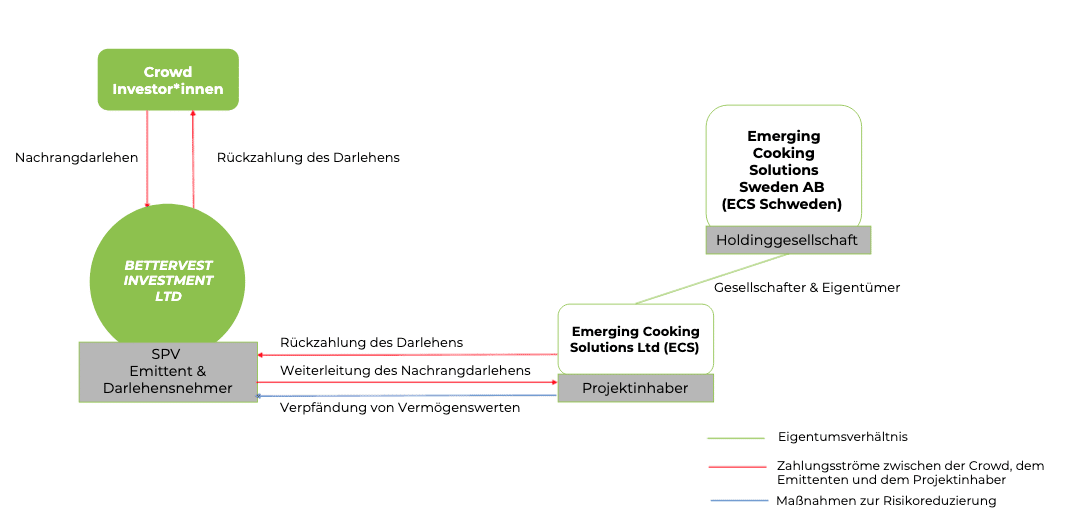
The investment risks associated with the subordinated loan are described in detail in the risk disclosures. In terms of assessing and mitigating risks for investors, the issuer points out the following special features of the project design:
a) Use of a Special Purpose Vehicle (SPV):
A special purpose vehicle named BETTERVEST INVESTMENT LTD has been established in Germany for the crowdfunding campaign on bettervest, which acts as the borrower for this project. It directs the capital raised as a secured loan to the project owner in Zambia, Emerging Cooking Solutions Ltd (ECS). The shareholders and managing directors of BETTERVEST INVESTMENT LTD are independent of Emerging Cooking Solutions Ltd (ECS). The Kenya-based SPV may act as borrower for multiple projects. However, this does not affect the contracts or risk assessment compared to a German SPV.
b) Liquidity Buffer of 2.5%:
Additionally, BETTERVEST INVESTMENT LTD will be equipped with a liquidity buffer of 2.5% of the raised emission volume (which will also be collected through crowdfunding) to intervene in case of any repayment issues from the local project owner or even to initiate legal actions.
c) Pledging of assets:
Machinery and equipment belonging to the project owner, located at their factory in Zambia, will be pledged to BETTERVEST INVESTMENT LTD. These assets will be properly registered with the Zambian registration authority PACRA (Patents and Companies Registration Agency) and pledged in favor of the investors.
Investment Requirement
The loan amount for the project of Emerging Cooking Solutions Ltd (ECS) is €99,950.00 (including fees). Funds will finance a trailer to transport offcuts from small-scale sawmillers to the pellet factory in Ndola, allowing the company to source waste wood. The loan will also cover operating business costs, such as payroll.
The term of the loan is 2 years, with an annual interest rate of up to 8.55% (incl. Early-Bird-Bonus until 24.09.2026) for crowd investors. The funding threshold for this project is set at €50,000. If the funding goal is not met but at least the funding threshold is reached, the project owner will still use the investor funds to acquire materials and invest to a lesser extent in the aforementioned investment objects.
Repayment
The repayment of the loan will be made from the liquid assets generated by ECS through its business operations, specifically from the revenues obtained from the sale of the cookstoves.


BETTERVEST INVESTMENT LTD: Issuer and Borrower
The special purpose vehicle (SPV) BETTERVEST INVESTMENT LTD is based in Kenya and serves as the issuer and borrower for this project. The role of this SPV is to forward the funds raised from crowd investors as a project loan to the local project owner, Emerging Cooking Solutions Ltd (ECS). The shareholders and directors of BETTERVEST INVESTMENT LTD are independent of the project owner.
Unlike a German SPV, the Kenya-based SPV may act as borrower for multiple projects. However, this has no impact on the contractual structure or risk assessment, which remains equivalent to that of a German SPV.
Emerging Cooking Solutions Group
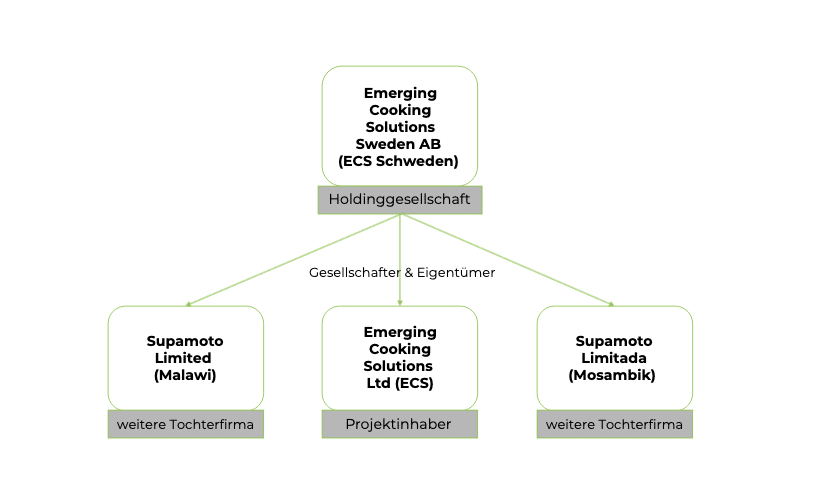
The Emerging Cooking Solutions Group consists of four companies, with the holding company based in Sweden: Emerging Cooking Solutions Sweden AB (ECS Sweden) and companies in three African countries:
- Zambia – Emerging Cooking Solutions Ltd (ECS) – 100% ownership by ECS Sweden
- Mozambique – Supamoto Limitada
- Malawi – Supamoto Limited
The parent company, ECS Sweden, has made several capital contributions to Emerging Cooking Solutions Ltd (ECS) over the past five years.
Emerging Cooking Solutions Ltd (ECS)
Emerging Cooking Solutions Ltd (ECS) is a Zambian company headquartered in the capital, Lusaka. The company was founded in 2012 with the idea of replacing charcoal with pellets made from waste biomass for cooking. The founders were invited by the Swedish Embassy from Europe to Zambia to present their idea. Inspired by the people, opportunities, and the country, they chose Zambia to establish their business.
ECS is a distributor and manufacturer of cooking solutions for households, restaurants, and institutions, with the vision of making clean cooking solutions affordable and accessible for all Zambian households, reducing deforestation, and mitigating negative climate impacts.
The company distributes microgasification stoves under the SupaMoto brand and is also a manufacturer and distributor of its own microgasification stoves, the SupaMoto Microgasifying Biomass Stove 4kW, and SupaMoto-Pellets. The pellets are produced from waste generated by pine and eucalyptus plantations at the ECS production facility in Ndola, Zambia. The company has pioneered pellet production in Zambia and researched local biomass suitable for pellet manufacturing. Additionally, in recent years, the company has developed an Internet of Things (IoT) platform that connects the stoves to the internet. This platform has already recorded 30 million cooking and charging cycles and offers the capability to remotely shut off the stoves in case of non-payment.
In May 2022, ECS launched the “Cooking Energy Service Subscription” model. This subscription model includes the rental of a new or used stove from Emerging Cooking Solutions and requires the purchase of at least 1 kg of biomass pellets per day. ECS delivers the pellets directly to users’ homes. This model allows users to save 40-50% in costs compared to charcoal. The eligibility criteria for the subscription model include screening and a one-time membership fee of $9.
It is advisable to gather information about the project location, especially the country where the project is being implemented, before making investment decisions. The following indicators provide a helpful starting point for independent research. The information was retrieved from the relevant data sources in August 2026 and is published without guarantee.
|
INDICATOR |
RATING SAMBIA |
|
Euler Hermes Ranking |
Euler Hermes has assessed the risk of non-payment by Zambian companies as ‘high risk’ and rated it D3 on a scale of AA to D. (Source: Euler Hermes Country Risk Map) |
|
OECD classification |
The OECD classifies Zambia’s general country risk as 7 on a scale from 0 (low risk) to 7 (high risk). (Source: OECD Ranking 2026). |
|
Corruption index (Transparency International) |
The corruption index, which is published by Transparency International and is measured on a basis of 0 (high level of corruption) – 100 (no perceived corruption), is 37 in Zambia. (Source: Transparency International 2025). |
|
Commercial Bank Prime Lending Rate |
The Commercial Bank Prime Lending Rate shows the average annualised interest rates that local commercial banks charge their most creditworthy customers for new loans in the local currency. The Commercial Bank Prime Lending Rate for Zambia was 9.5% in 2020 (Source: World Bank Data). The World Bank currently provides data for this indicator for Zambia only up to 2020. For a more recent figure, we refer to the published data from the Bank of Zambia. The Bank of Zambia reports a Commercial Bank Lending Rate (average), which stood at 26.2% in 2024 (Source: Bank of Zambia). However, due to differences in definitions and calculation methods, the two figures are not directly comparable. |
|
Creditworthiness (Moody’s) |
Moody’s has rated the creditworthiness of Zambian government bonds as Caa2 on a scale from AAA to D and thus categorised them as positive (Source: Trading Economics) |
|
Foreign exchange market (Bundesbank) |
In the last five years, the exchange rate of the euro against the Zambian kwacha initially increased and then declined again. In July 2021, the exchange rate was 22.82 kwacha per euro, two years ago it was 28.37 kwacha, and currently (July 2026) it stands at 21.54 kwacha per euro (Source: Deutsche Bundesbank) |