
Mit dem Laden des Videos akzeptieren Sie die Datenschutzerklärung von YouTube.
Mehr erfahren


Zambia is a landlocked country in southern Africa, where the majority of people rely on firewood or charcoal for cooking. These energy sources have several disadvantages for both the environment and the users: According to the German Federal Ministry for Economic Cooperation and Development, Zambia has one of the highest deforestation rates in the world, as forests are cleared for firewood, charcoal, agriculture, and housing. Additionally, burning wood or charcoal generates harmful emissions and smoke, which, according to the World Health Organization, leads to 3.8 million premature deaths each year due to inhalation.
The transition to modern, clean cooking solutions is therefore essential. However, there are still major hurdles to overcome, as only 40% of Zambia’s population has access to electricity. Moreover, this shift requires an adjustment in cooking habits, as different appliances must be used. One alternative are biomass-powered microgas stoves and the accompanying biomass pellets, which are distributed by Emerging Cooking Solutions. The business model of Emerging Cooking Solutions has gained visibility and investment in recent years. It is highly digitized, as many of the stoves are connected through an Internet of Things (IoT) platform. This platform has already recorded 30 million cooking and charging operations and offers the ability to remotely disable the stoves if payments are not made.
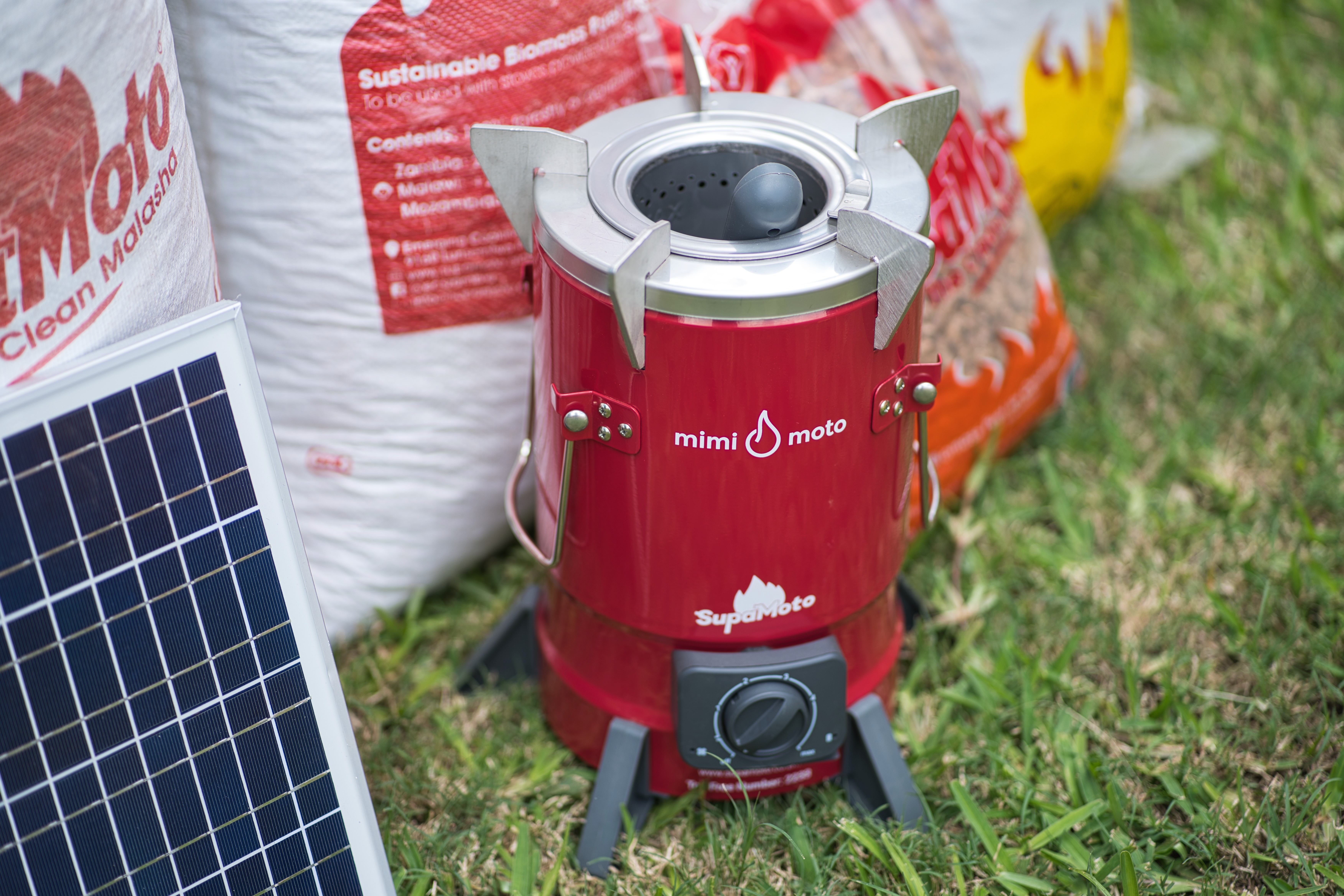
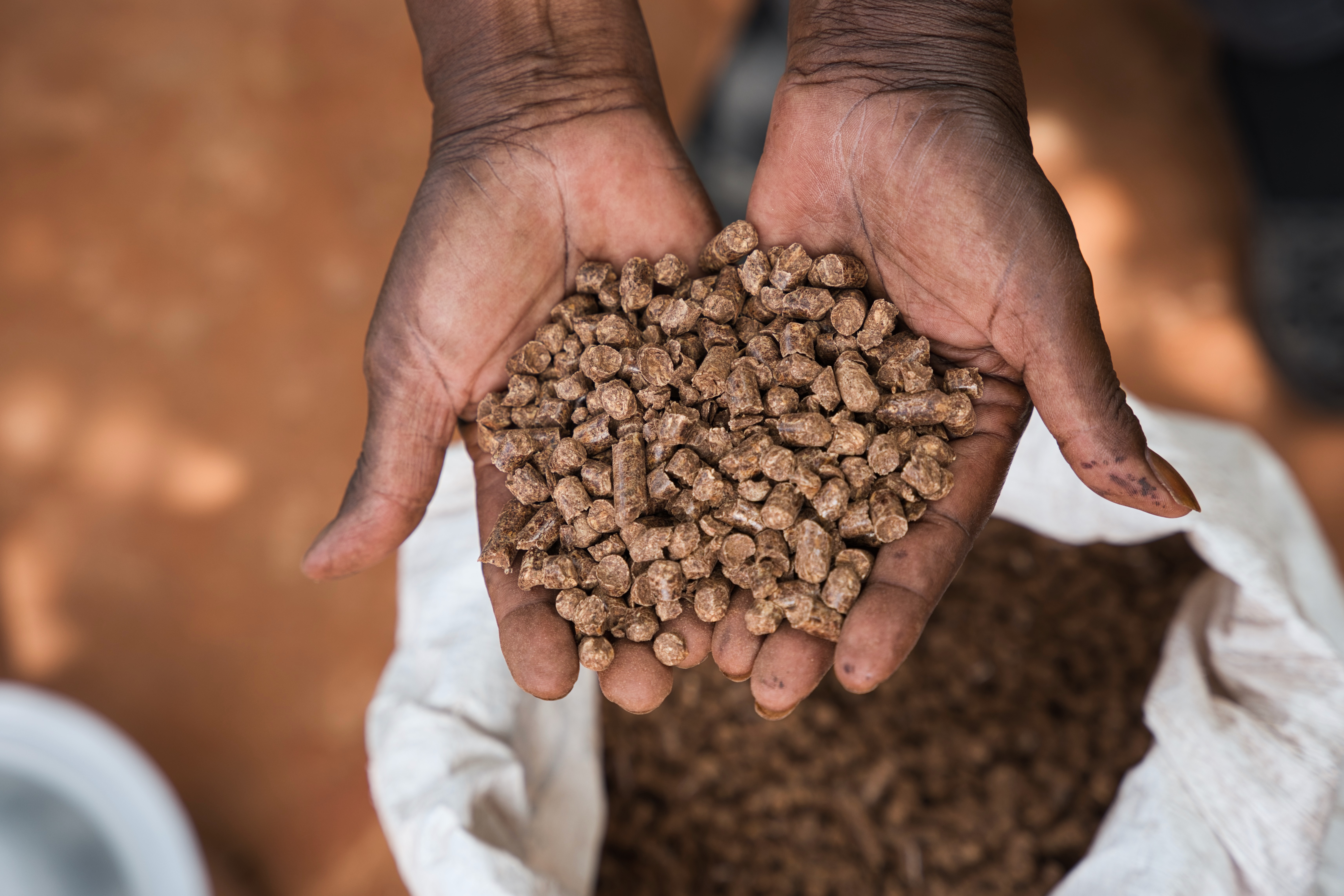
Cooking with sustainable stoves powered by biomass pellets represents a cost-effective, sustainable, and health-friendly alternative for traditional cooking, significantly improving people’s quality of life. Additionally, the pellets are made from waste from pine and eucalyptus plantations at ECS’s production facility in Ndola, Zambia, making them a fully renewable resource in a circular economy.
Funds will support the procurement of key stove components and electronics, as well as investments in pellet factory equipment and upgrades to increase manufacturing capacity. In addition, part of the loan will be used for operational costs and to strengthen logistics, enabling efficient delivery of stoves and pellets under the SupaMoto brand.
The business model of Emerging Cooking Solutions (ECS) actively contributes to 6 of the United Nations’ Sustainable Development Goals (SDGs):
The energy-efficient cookstoves powered by biomass pellets reduce the consumption of fuels such as firewood and charcoal, thereby increasing energy efficiency (Goal 7.3) and leading to less deforestation (Goal 15.2). Biomass pellets and energy-efficient cooking solutions provide an affordable alternative to LPG and charcoal stoves. As a result, households can reduce their cooking expenses and save 50% on fuel costs (Goal 8.4).
Additionally, the use of efficient cookstoves reduces health risks such as indoor air pollution, which can lead to respiratory diseases. Charcoal-free cooking solutions are considered the most effective single measure at the household level to reduce indoor air pollution and carbon dioxide emissions while improving health and living standards (Goal 3.9). Furthermore, fewer CO2 emissions are produced (Goal 13), contributing to the fight against climate change.
By providing affordable clean cooking solutions that can reduce daily fuel expenses by up to 50%, ECS directly supports low-income households in lowering their cost of living and improving financial resilience (Goal 1.2). As the majority of ECS customers are from lower-income segments, this measurable cost reduction contributes to poverty alleviation and increased economic stability.
At the same time, ECS contributes to more sustainable urban and peri-urban communities by enabling a transition away from charcoal and other unsustainable fuels. Through its clean cooking technology and biomass pellet ecosystem, the company supports a shift toward cleaner, more efficient energy use, helping to reduce environmental degradation and improve living conditions in growing communities (Goal 11.6).
ECS´s products support women and girls by reducing the time spent on cooking and improving their health by providing a clean cooking environment. They allow them to avoid adverse weather conditions by enabling indoor cooking and modernizing their kitchens. Emerging Cooking Solutions is committed to increasing the number of women in the company and supports women in taking on positions traditionally reserved for men. They pay equal wages regardless of gender and have a management team that is 50% female (Goal 5.1).
On average, each household saves 2 tons of CO2 per year by cooking with biomass-powered microgas stoves and the accompanying biomass pellets. This calculation is based on actual consumption, i.e., the kilograms of pellets sold by Emerging Cooking Solutions.
Through the crowdfunding project, a total of 400 cookstoves will be sold, resulting in a total reduction of 800 tons of CO2 per year once the cookstoves are in use.
Note however that the carbon rights associated with these stoves are assigned to the ‘Modern Energy Cooking Zambia’ program to fund the stove subsidy and long-term maintenance. These reductions are processed as Internationally Transferred Mitigation Outcomes (ITMOs) under Article 6 of the Paris Agreement and are not available for individual carbon offsetting claims by lenders.
The investment risks associated with the subordinated loan are described in detail in the risk disclosures. In terms of assessing and mitigating risks for investors, the issuer points out the following special features of the project design:
a) Use of a Special Purpose Vehicle (SPV):
A special purpose vehicle named BETTERVEST INVESTMENT LTD has been established in Germany for the crowdfunding campaign on bettervest, which acts as the borrower for this project. It directs the capital raised as a secured loan to the project owner in Zambia, Emerging Cooking Solutions (Zambia) Ltd. (ECS). The shareholders and managing directors of BETTERVEST INVESTMENT LTD are independent of Emerging Cooking Solutions (Zambia) Ltd. (ECS). The Kenya-based SPV may act as borrower for multiple projects. However, this does not affect the contracts or risk assessment compared to a German SPV.
b) Liquidity Buffer of 2.5%:
Additionally, BETTERVEST INVESTMENT LTD will be equipped with a liquidity buffer of 2.5% of the raised emission volume (which will also be collected through crowdfunding) to intervene in case of any repayment issues from the local project owner or even to initiate legal actions.
c) Pledging of assets:
All carbon certificates owned by the borrower will be assigned to BETTERVEST INVESTMENT LTD as security for the lender’s claims. In the event that the borrower fails to meet its repayment obligations, the lender is entitled to seize and realise these certificates.

Investment Requirement
The loan amount for the project of Emerging Cooking Solutions (ECS) Zambia Limited is €99,950.00 (including fees). This will fund the production, distribution, and sale of cookstoves to 400 new customers. Funds will specifically support the procurement of key stove components and electronics, as well as investments in pellet factory equipment and upgrades to increase manufacturing capacity. In addition, part of the loan will be used for operational costs and to strengthen logistics, enabling efficient delivery of stoves and pellets under the SupaMoto brand.
The term of the loan is 3 years, with an annual interest rate of up to 8.5% (incl. Early-Bird-Bonus until XX.XX.2026) for crowd investors. The funding threshold for this project is set at €50,000. If the funding goal is not met but at least the funding threshold is reached, the project owner will still use the investor funds to acquire materials and invest to a lesser extent in the aforementioned investment objects.
Repayment
The repayment of the loan will be made from the liquid assets generated by Emerging Cooking Solutions (ECS) Zambia Limited through its business operations, specifically from the revenues obtained from the sale of the cookstoves.
Through the carbon-saving activities of ECS, carbon certificates from the Klik Foundation are generated, supported through international carbon finance mechanisms. The project applies a state-of-the-art digital monitoring, reporting and verification (dMRV) system, ensuring high transparency and integrity of the emission reductions. Hence, as one of the few clean cooking initiatives progressing under the Article 6.2 framework, the programme meets particularly stringent international standards, underlining the quality and credibility of the underlying carbon assets.
For more details, refer to the article here.
All carbon certificates owned by the borrower, and generated prior to 2026, will be assigned to BETTERVEST INVESTMENT LTD (haftungsbeschränkt) as security for the lender’s claims. In the event that the borrower fails to meet its repayment obligations, the lender is entitled to seize and realise these certificates.


BETTERVEST INVESTMENT LTD: Issuer and Borrower
The special purpose vehicle (SPV) BETTERVEST INVESTMENT LTD is based in Kenya and serves as the issuer and borrower for this project. The role of this SPV is to forward the funds raised from crowd investors as a project loan to the local project owner, Emerging Cooking Solutions (ECS). The shareholders and directors of BETTERVEST INVESTMENT LTD are independent of the project owner.
Unlike a German SPV, the Kenya-based SPV may act as borrower for multiple projects. However, this has no impact on the contractual structure or risk assessment, which remains equivalent to that of a German SPV.
Emerging Cooking Solutions Group
The Emerging Cooking Solutions Group consists of four companies, with the holding company based in Sweden: Emerging Cooking Solutions Sweden AB (ECS Sweden) and companies in three African countries:
- Zambia – Emerging Cooking Solutions (Zambia) Limited – 100% ownership by ECS Sweden
- Mozambique – Supamoto Limitada
- Malawi – Supamoto Limited
The parent company, ECS Sweden, has made several capital contributions to ECS Zambia over the past five years.
Emerging Cooking Solutions (Zambia) Ltd (ECS)
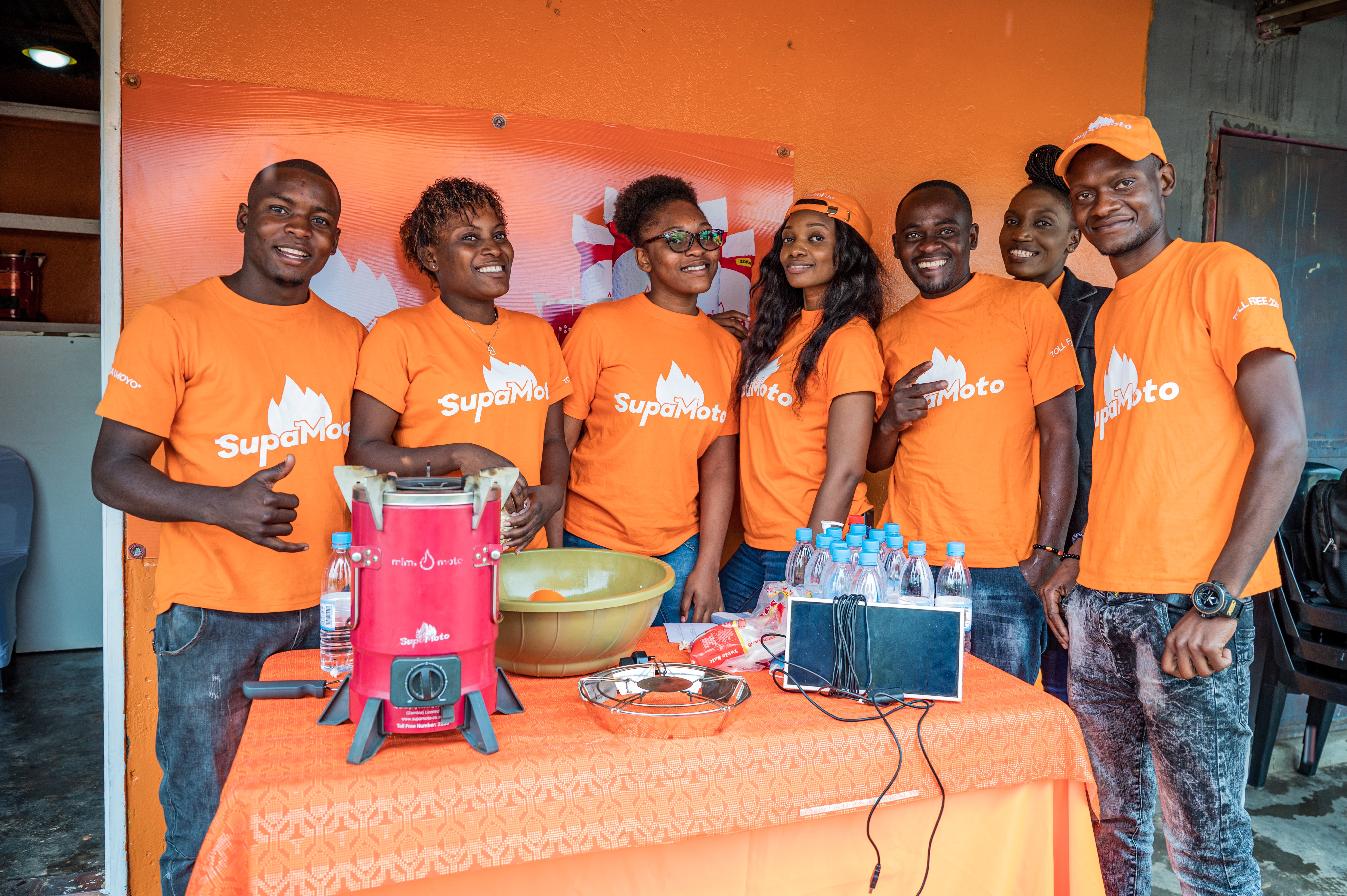
Emerging Cooking Solutions is a Zambian company headquartered in the capital, Lusaka. The company was founded in 2012 with the idea of replacing charcoal with pellets made from waste biomass for cooking. The founders were invited by the Swedish Embassy from Europe to Zambia to present their idea. Inspired by the people, opportunities, and the country, they chose Zambia to establish their business.
Emerging Cooking Solutions is a distributor and manufacturer of energy-efficient cooking solutions for households, restaurants, and institutions, with the vision of making clean cooking solutions affordable and accessible for all Zambian households, reducing deforestation, and mitigating negative climate impacts.
The company distributes microgasification stoves under the SupaMoto brand and is also a manufacturer and distributor of its own microgasification stoves, the SupaMoto Microgasifying Biomass Stove 4kW, and SupaMoto-Pellets. The pellets are produced from waste generated by pine and eucalyptus plantations at the ECS production facility in Ndola, Zambia. The company has pioneered pellet production in Zambia and researched local biomass suitable for pellet manufacturing. Additionally, in recent years, the company has developed an Internet of Things (IoT) platform that connects the stoves to the internet. This platform has already recorded 30 million cooking and charging cycles and offers the capability to remotely shut off the stoves in case of non-payment.
In May 2022, Emerging Cooking Solutions launched the “Cooking Energy Service Subscription” model. This subscription model includes the rental of a new or used stove from Emerging Cooking Solutions and requires the purchase of at least 1 kg of biomass pellets per day. ECS delivers the pellets directly to users’ homes. This model allows users to save 40-50% in costs compared to charcoal. The eligibility criteria for the subscription model include screening and a one-time membership fee of $9.

It is advisable to gather information about the project location, especially the country where the project is being implemented, before making investment decisions. The following indicators provide a helpful starting point for independent research. The information was retrieved from the relevant data sources in April 2026 and is published without guarantee.
INDICATOR | RATING SAMBIA |
Euler Hermes Ranking | Euler Hermes has assessed the risk of non-payment by Zambian companies as ‘high risk’ and rated it D3 on a scale of AA to D. (Source: Euler Hermes Country Risk Map) |
OECD classification | The OECD classifies Zambia’s general country risk as 7 on a scale from 0 (low risk) to 7 (high risk). (Source: OECD Ranking 2026). |
Corruption index (Transparency International) | The corruption index, which is published by Transparency International and is measured on a basis of 0 (high level of corruption) – 100 (no perceived corruption), is 37 in Zambia. (Source: Transparency International 2025). |
Commercial Bank Prime Lending Rate | The Commercial Bank Prime Lending Rate shows the average annualised interest rates that local commercial banks charge their most creditworthy customers for new loans in the local currency. The Commercial Bank Prime Lending Rate for Zambia was 9.5% in 2020 (Source: World Bank Data). |
Creditworthiness (Moody’s) | Moody’s has rated the creditworthiness of Zambian government bonds as Caa2 on a scale from AAA to D and thus categorised them as positive (Source: Trading Economics) |
Foreign exchange market (Bundesbank) | In the last five years, the foreign exchange price for the euro in Zambia has risen slightly, seven years ago the price was 14.23 kwacha, two years ago it was 19.52 and currently (March 2026) the price is 22.01 kwacha (Source: Bundesbank 2026). |